
Accelerating SAS Migration
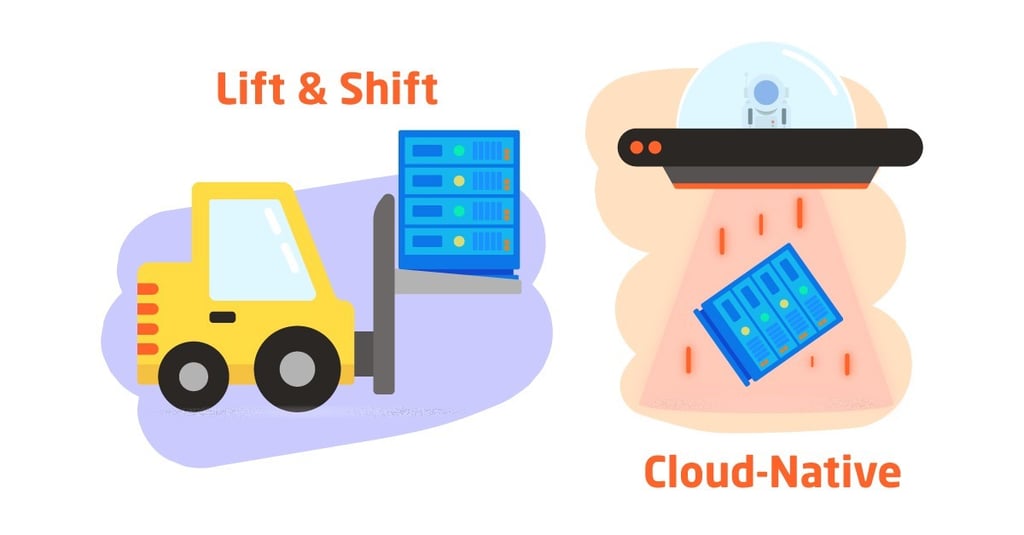
The introduction of the industry first migration accelerator has revolutionized the way businesses approach cloud migration. By providing lift-and-shift solutions that can be executed within mere weeks, these tools eliminate many of the traditional hurdles associated with data migration. This solution supports a range of platforms, ensuring that organizations can transition seamlessly without disrupting their ongoing operations
5/3/20262 min read
Understanding the Need for Migration Accelerators
In the ever-evolving landscape of technology, organizations are increasingly migrating their data and applications to cloud platforms such as Databricks, Snowflake, Cloudera, Microsoft Fabric, Red Hat OpenShift, and Google BigQuery. This shift is driven by the need for enhanced performance, scalability, and cost efficiency. However, the process of migration can often be complex and time-consuming. Herein lies the importance of migration accelerators, which are designed to streamline and simplify the transition to these robust cloud environments.
Industry-First Migration Accelerator Solutions
The introduction of the industry first migration accelerator has revolutionized the way businesses approach cloud migration. By providing lift-and-shift solutions that can be executed within mere weeks, these tools eliminate many of the traditional hurdles associated with data migration. This solution supports a range of platforms, ensuring that organizations can transition seamlessly without disrupting their ongoing operations.
These accelerators focus on automating various processes, including data extraction, transformation, and loading (ETL), thereby reducing the time and effort required by IT teams. As a result, businesses can experience minimal downtime and maintain operational continuity during the migration period.
Benefits of Utilizing Migration Accelerators
The key benefits of leveraging an industry first migration accelerator for cloud services are manifold. Firstly, organizations can experience significantly reduced migration timelines; what once took months or even years can now be completed in a matter of weeks. This efficiency not only saves time but also allows businesses to capitalize on the advanced features of the cloud earlier.
Additionally, these accelerators provide a more cost-effective solution for migration. By automating numerous processes and minimizing the need for extensive manual intervention, organizations can reduce labor costs and avoid unexpected expenses that typically arise during prolonged migration projects. Furthermore, by utilizing these accelerators' built-in best practices and frameworks, businesses can enhance the integrity and security of their data throughout the migration process.
Another significant advantage is the ability to maintain data compliance and governance. Migration accelerators often come equipped with tools that ensure compliance with industry regulations, thus safeguarding organizations against potential legal and financial repercussions. Ultimately, this leads to a more secure and compliant data management solution.
In conclusion, the use of an industry first migration accelerator for transitioning to platforms such as Databricks, Snowflake, Cloudera, Microsoft Fabric, Red Hat OpenShift, and Google BigQuery holds immense potential for organizations looking to leverage cloud technology swiftly and efficiently. By adopting such tools, businesses can not only ensure a smoother transition but can also pave the way for future growth and innovation in their data management practices.